COMMUNITY COMPOSTING PLAN

Q: What is composting?
A: Composting is a biological process through which bacteria and insects break down organic materials into a soil-like material called compost.
– Environmental Protection Agency
-
Partner with a community that would benefit from a compost system.
- Are you composting at home?
- Is your local school composting?
- Is your neighbor's school composting?
- Is your church, mosque or temple composting?
- Is your town or favorite restaurant composting?
- What other organization could compost?
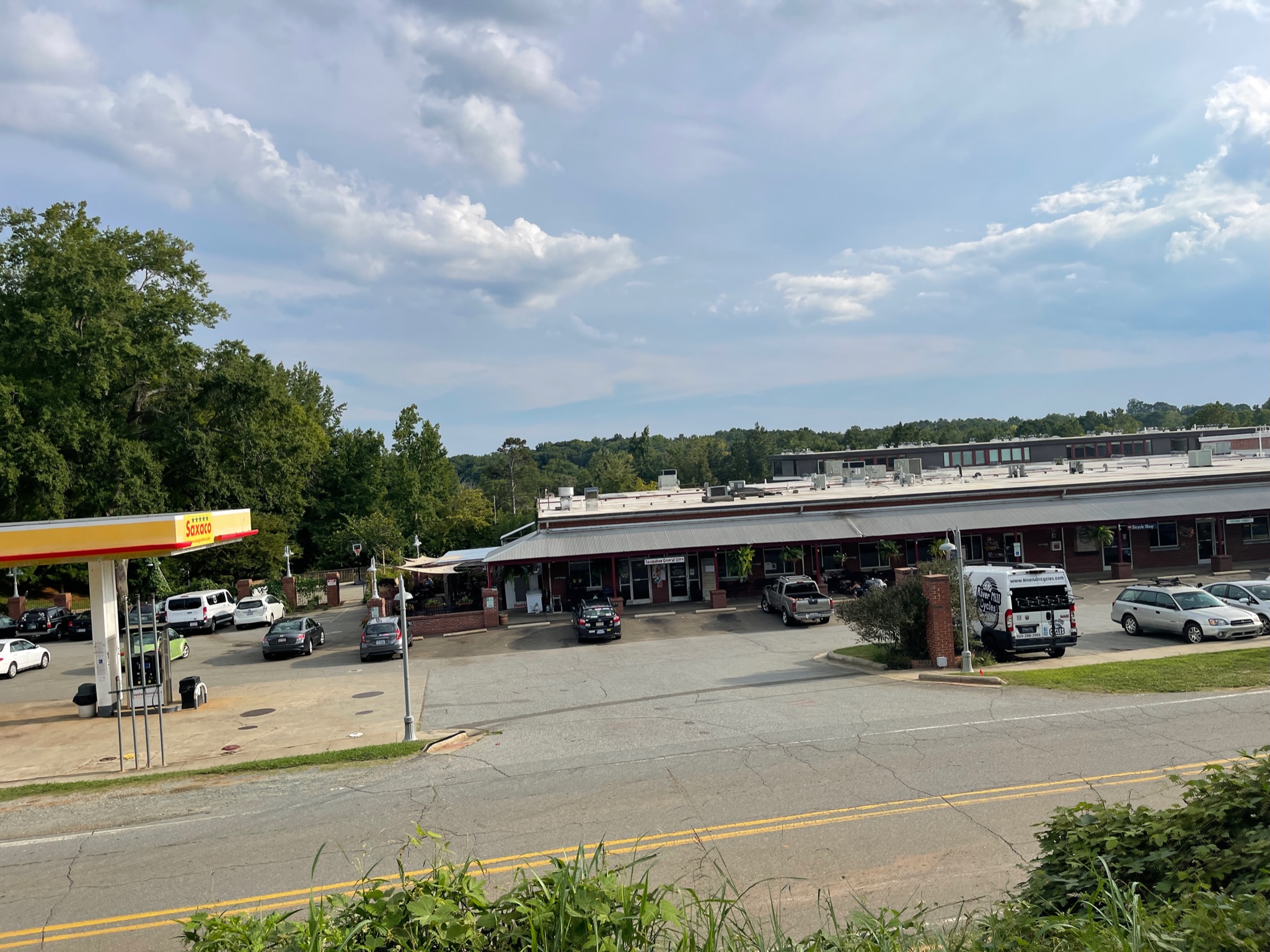
There are two parts to this equation: a source for compost scraps and a garden that will benefit from compost.
-
Locate nearby gardens.
- Does the organization have a community garden?
- Does its local government have a community garden?
- Does a nearby non-profit have a community garden?
- What other organization may have a community garden?
- Ask around or you may find a community garden on USDA community garden website.
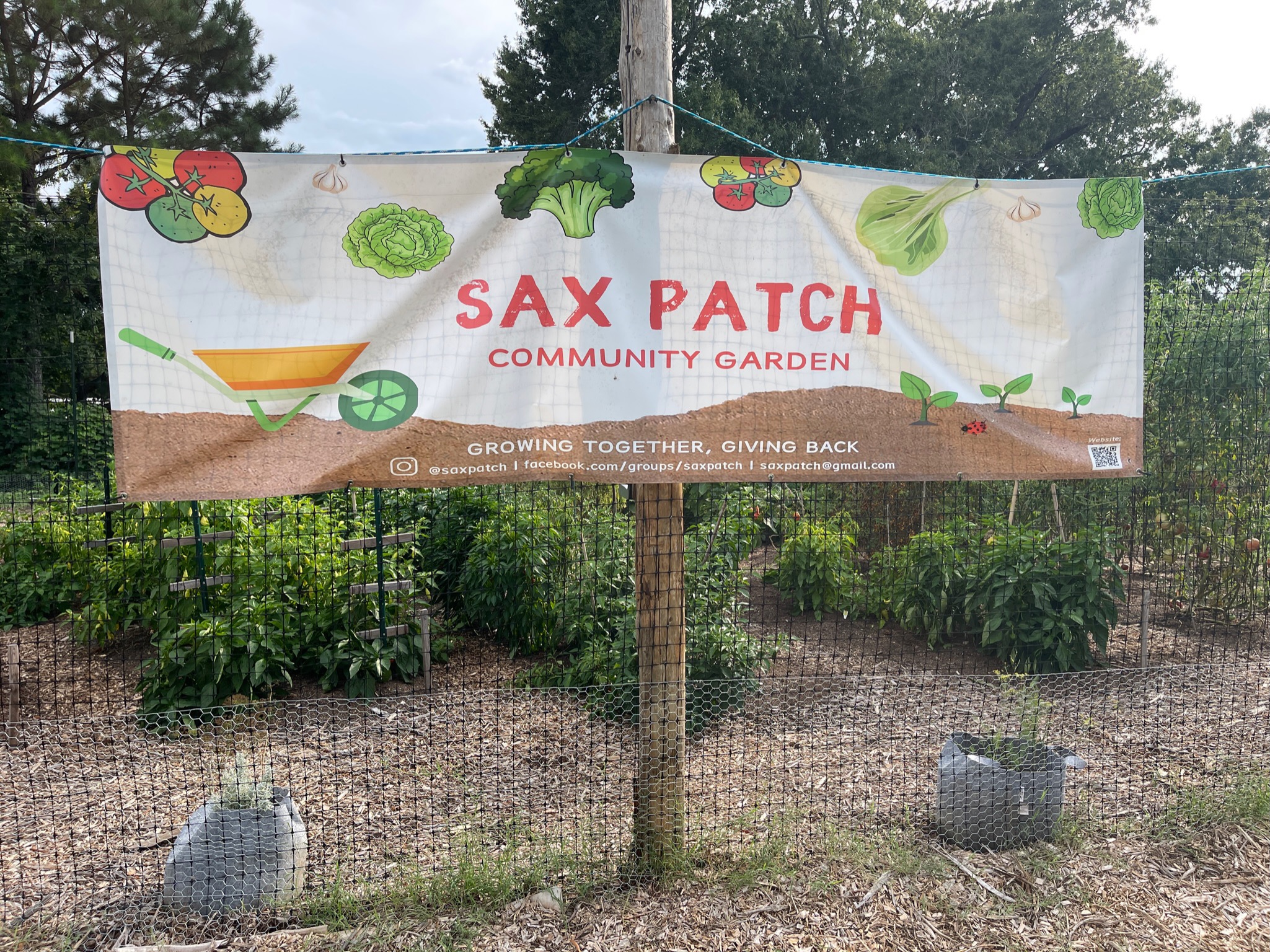
Communication is key! Speak to the leaders within your community to determine how they can benefit from your compost project. Spread the word so that as many people as possible contribute.
-
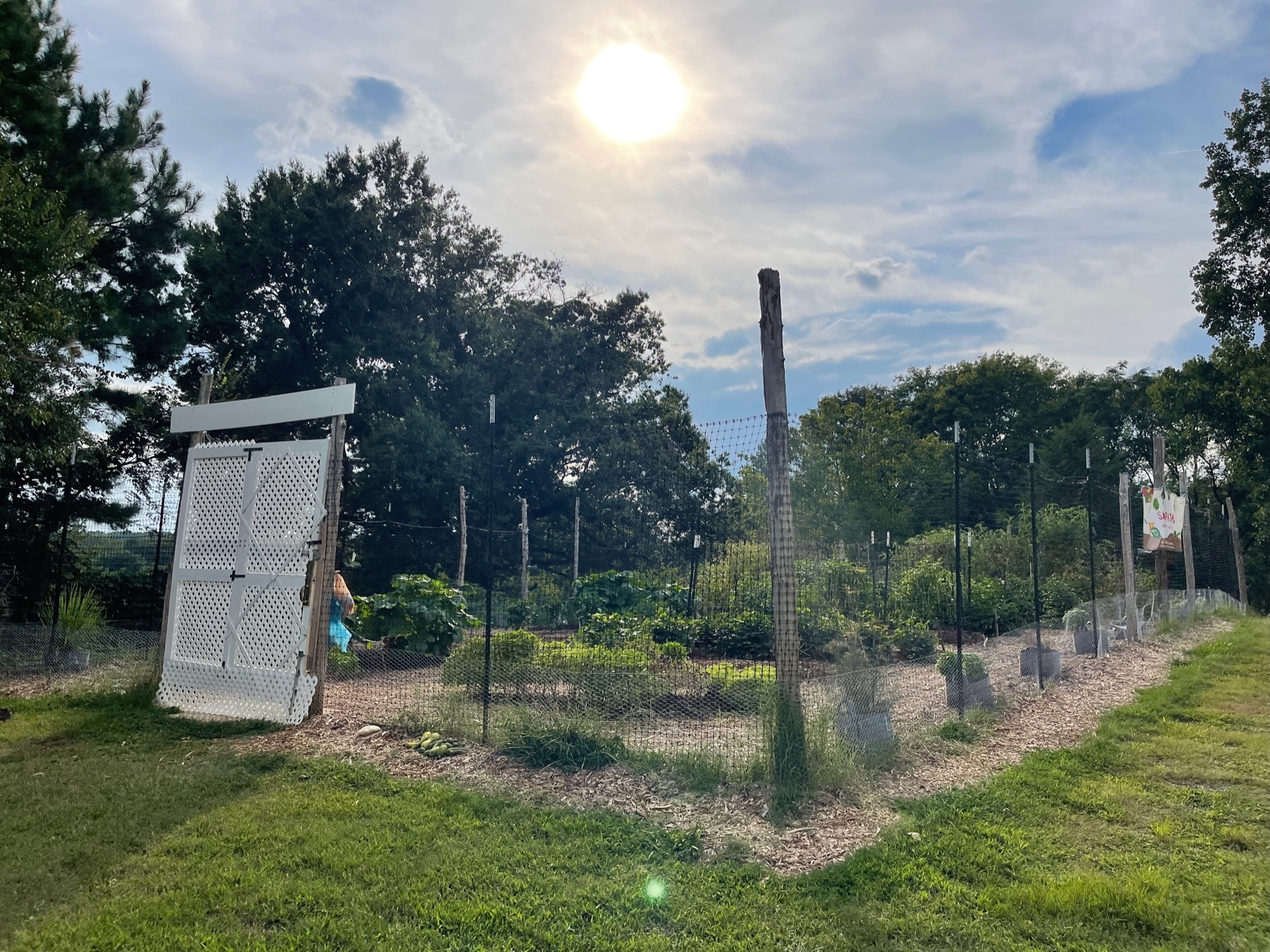
Ensure garden can receive compost.
- Could they use compost?
- How much compost?
- What type of compost?
- Do they have space to receive compost?
-
Identify compost source.
- Does the partner organization have food consumed on its premesis?
- What types of food is consumed?
- What other repurposed waste does the organization have?

-
Learn about composting.
- How and why do we compost?
- What food waste does the organization have that can be composted?
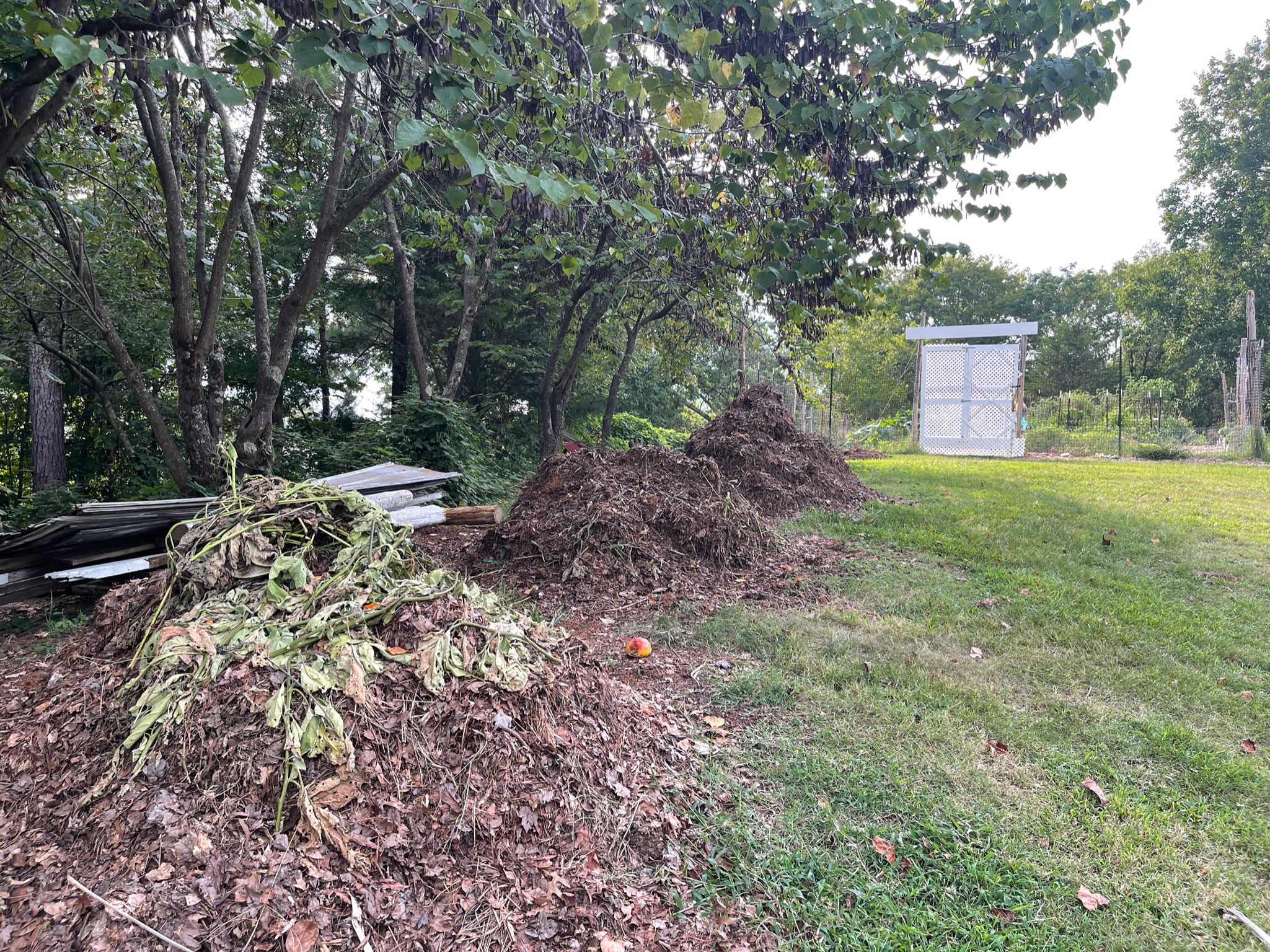
- What other organization waste, like leaves, can be composted?
-
Implement a compost collection and distribution program.
- How can compost be collected?
- Where can compost be collected?
- When can compost be collected?
- Where can compost be stored till distribution?
- How can compost be delivered?

Try to make sure the garden isn’t too far from the compost source so that transporting the compost won’t be too challenging.
-
Establish a plan to keep the source and garden connected.
- Connect the source and recipient organizations by establishing relationships.
- Do they have each other's contact information?
- Is there a secondary set of contacts?
- Can composting be included in organization mission statements?
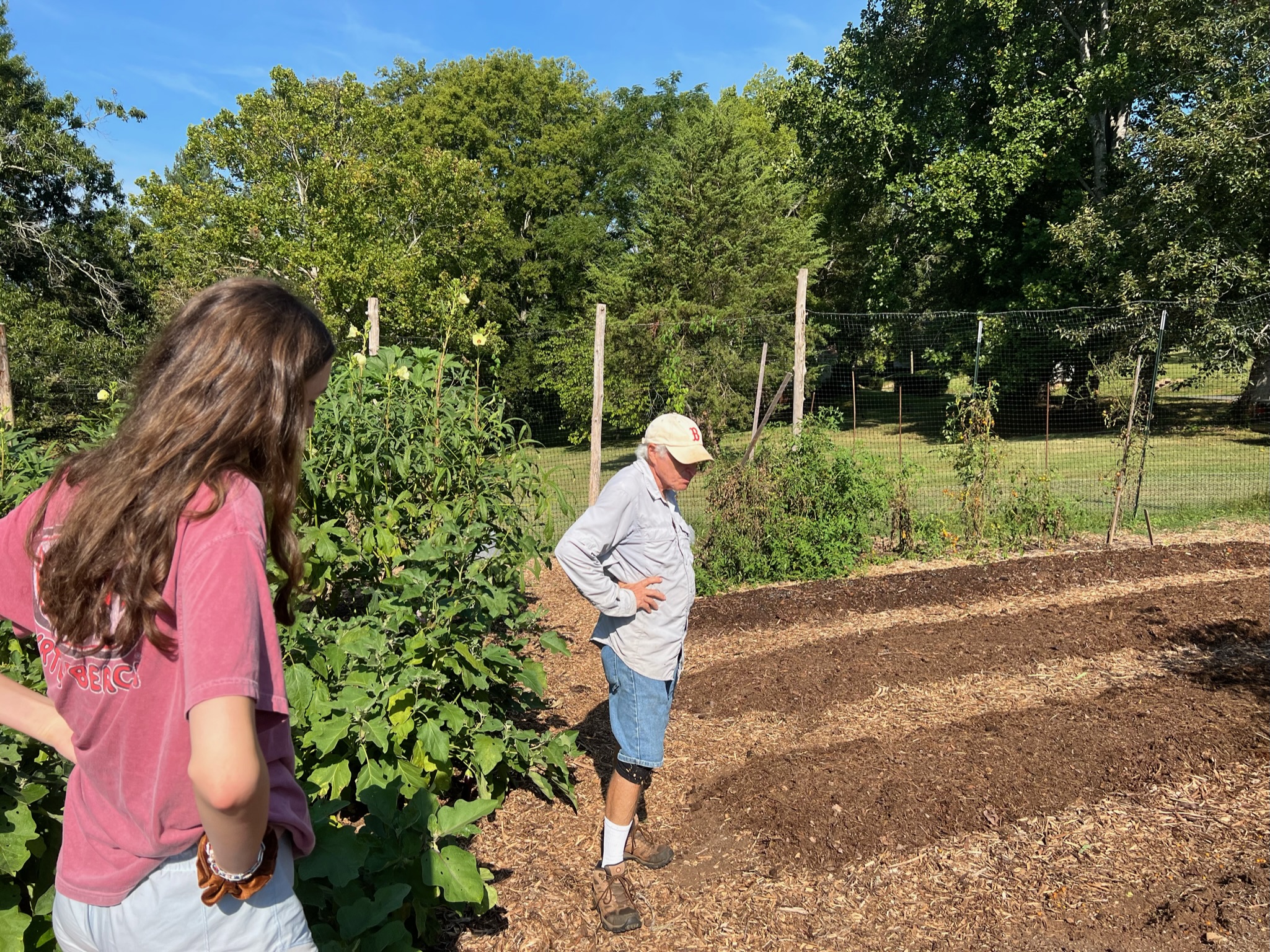
Once you identify sources, it is important to educate participating members so they realize the positive impact they can have on their community.
-
Watch your community grow!
- How are the communities benefitting from the compost program?
- How is Earth benefitting from the compost program?
- Are all community members aware of the program's benefits?
- Can they share the benefits with others?
- Is your partner community garden listed on the USDA community garden website?
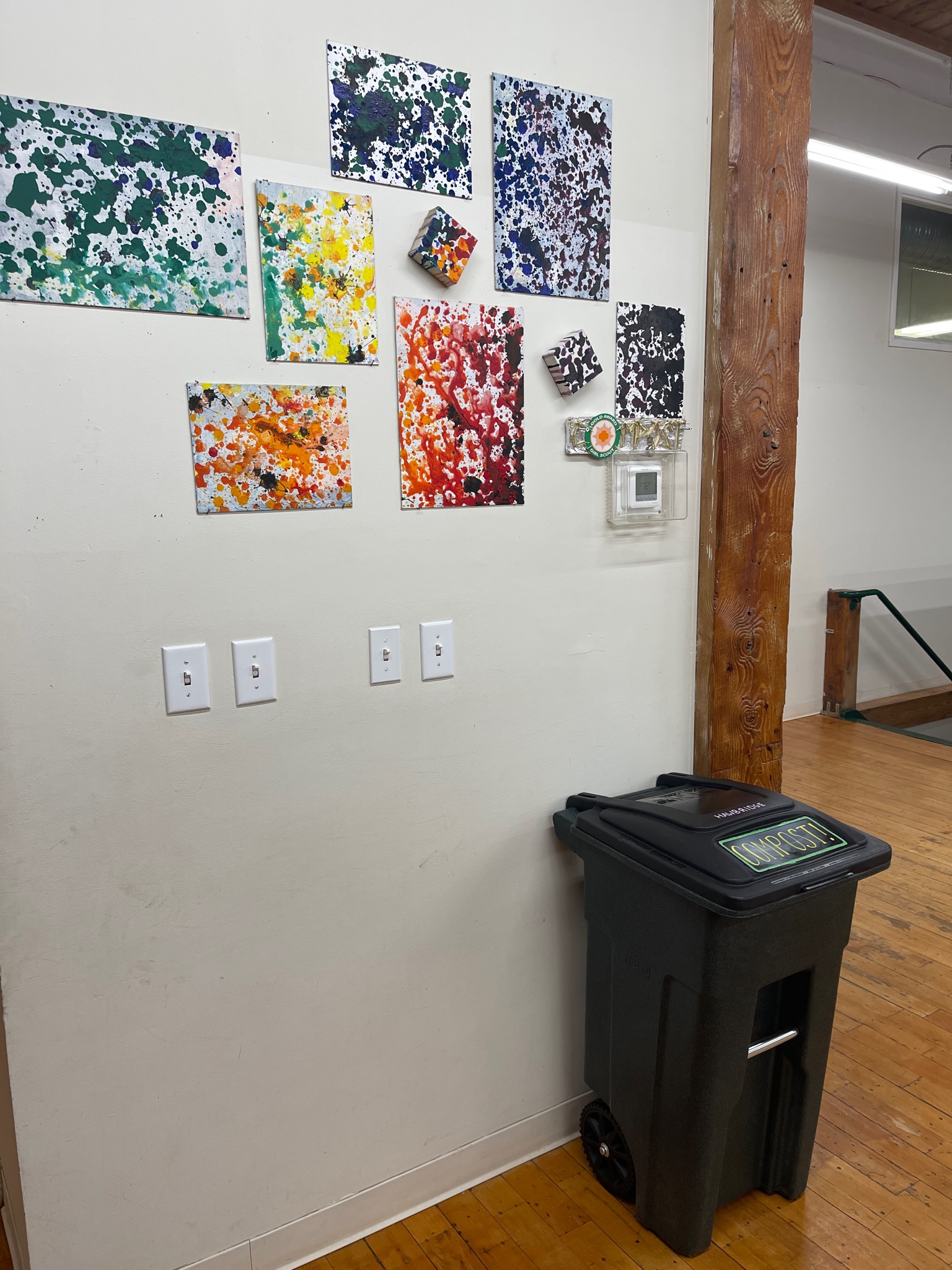
For creating project-specific material, please see an example presentation using this guide. Questions welcome via email.
THANKS FOR YOUR SUPPORT & GOOD LUCK!
-Lifelong Girl Scout