COMPOST DEFINED
- Why compost?
- "30% of what we throw away could instead be composted." -EPA
- By composting, we remove excess waste from landfills. When composted, the nutrients are recycled instead of wasted in landfills.
- Soil gets richer, resulting in more nutrient-dense produce.
- Reduces the need for chemical fertilizers which harm the environment.
- It’s free!
- What can be composted?
- fruits and vegetable scraps
- nut shells
- hay/straws
- sawdusts
- leaves
- crushed eggshellss
- hair/furs
- tea bags
- wood chips
- shredded cardboards
- fireplace ashes
- house plants
- What cannot be composted?
- dairy products like butter, milk, sour cream, and yogurt
- eggs
- diseased or insect ridden plants
- meat + fish bones and scraps
- yard trimmings treated with chemical pesticides
- fats, grease, lard, or oils
- How can we compost?
- Collect compostable scraps.
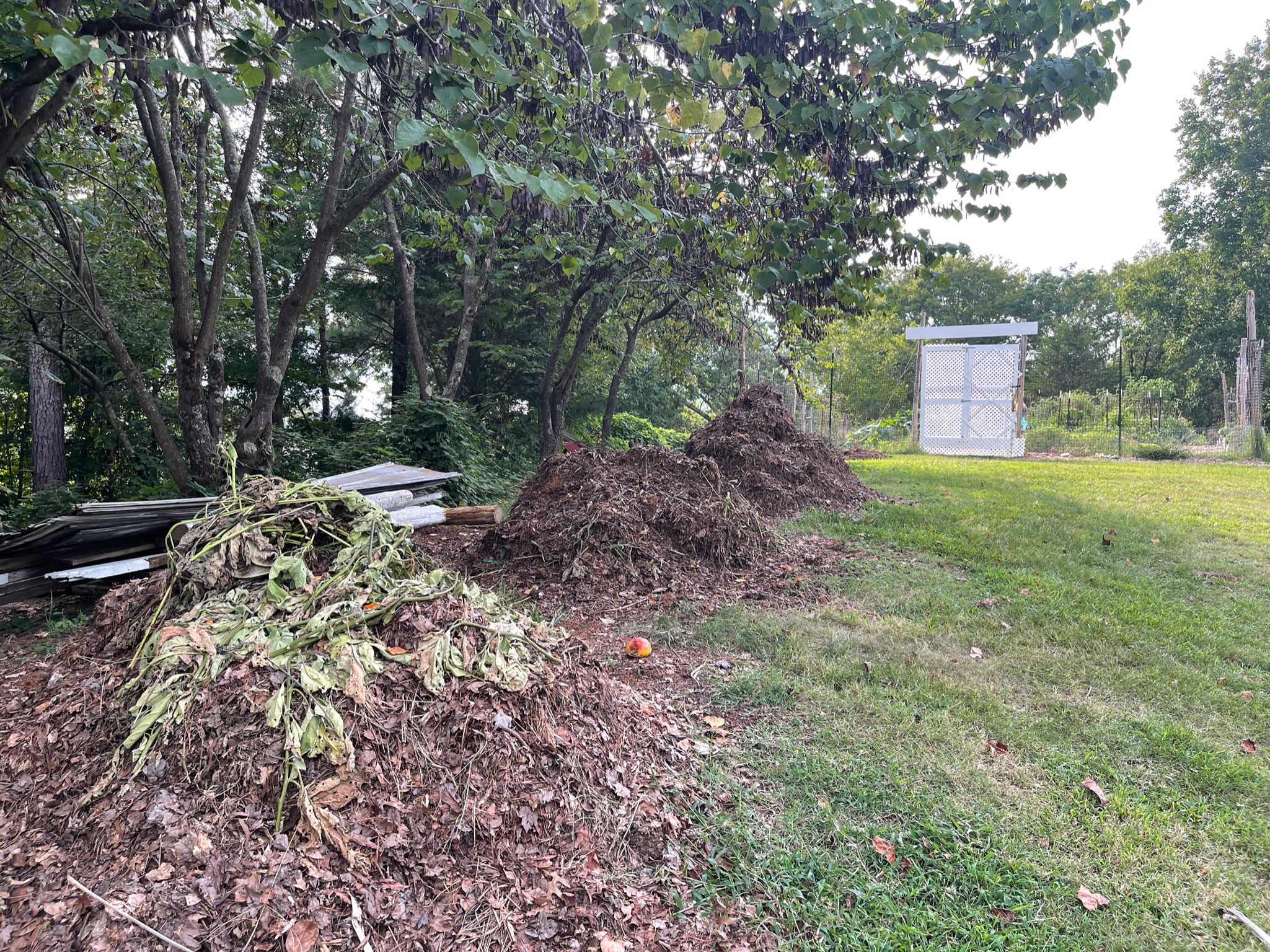
- Add scraps to an existing compost pile (or start one!).
- Maintain the compost pile by stirring, turning, etc.
- Once the compost has reached desired consistency + texture, use it as a natural fertilizer in a garden.
- How do we start a compost pile?
- Clear a space outside on top of soil.
- Build a base layer using straw or twigs.
- Add compostable materials and turn the pile regularly.
- Keep the compost pile moist to encourage decomposition.
- Optional: add worms for extra fast decomposition.
-Lifelong Girl Scout